

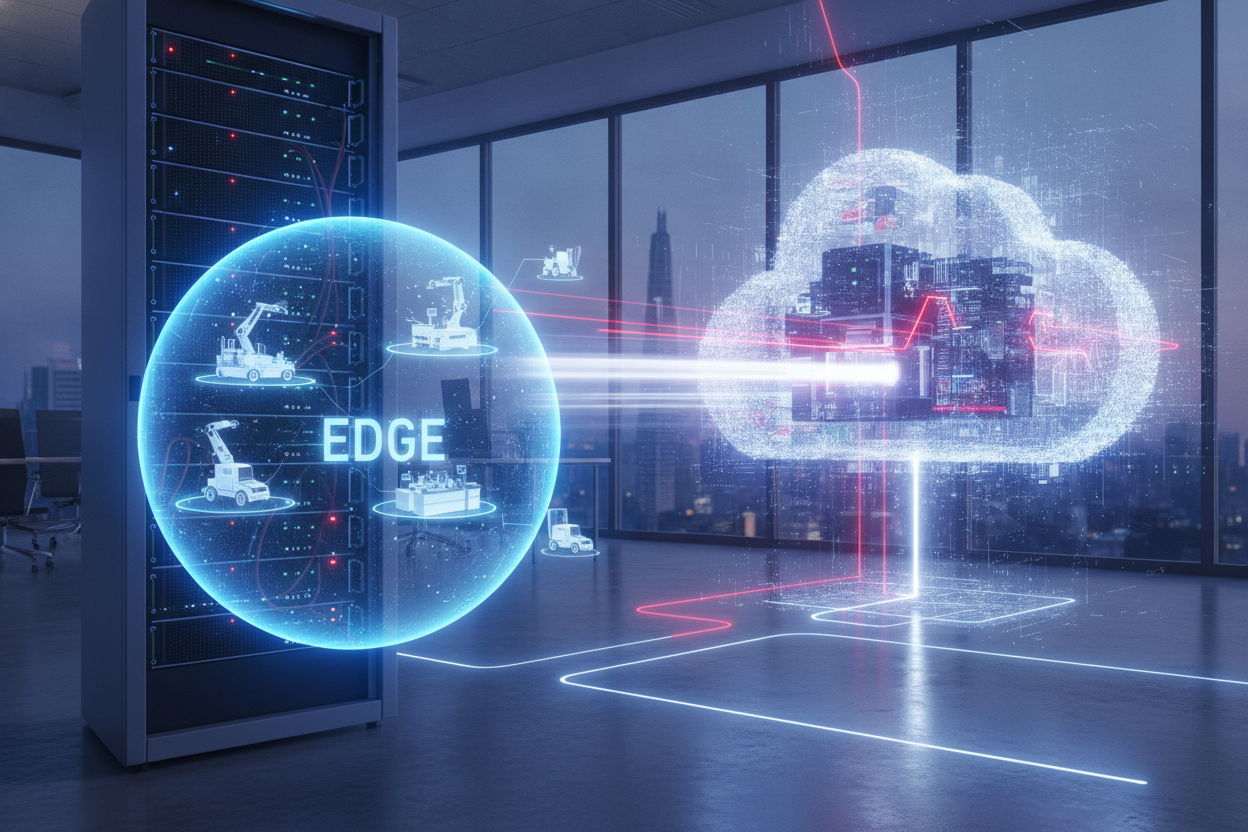
Edge computing is gaining traction because not every workload belongs in a distant data center or centralized cloud region. By processing data closer to where it is created, businesses can reduce latency, improve responsiveness, and support real-time use cases more effectively. That matters for industries that depend on immediate action, such as retail, manufacturing, and logistics.
The value of edge computing becomes clearer when devices need to make fast decisions locally. Cameras, sensors, and industrial systems often generate large volumes of data, but sending everything to the cloud can be inefficient. Edge processing lets organizations filter, analyze, and respond before data ever leaves the site.
Of course, the model comes with tradeoffs. Edge environments can be spread out, harder to monitor, and more challenging to secure. That means businesses need strong device management, consistent patching, and clear policies for data handling. The architecture should be designed with both performance and governance in mind.
For many organizations, edge computing is not a replacement for cloud infrastructure but a complementary layer. Together, they create a more flexible system that can support both centralized insight and local speed. As connected operations continue to expand, edge strategies will become increasingly important to staying competitive.
Leave a Reply