

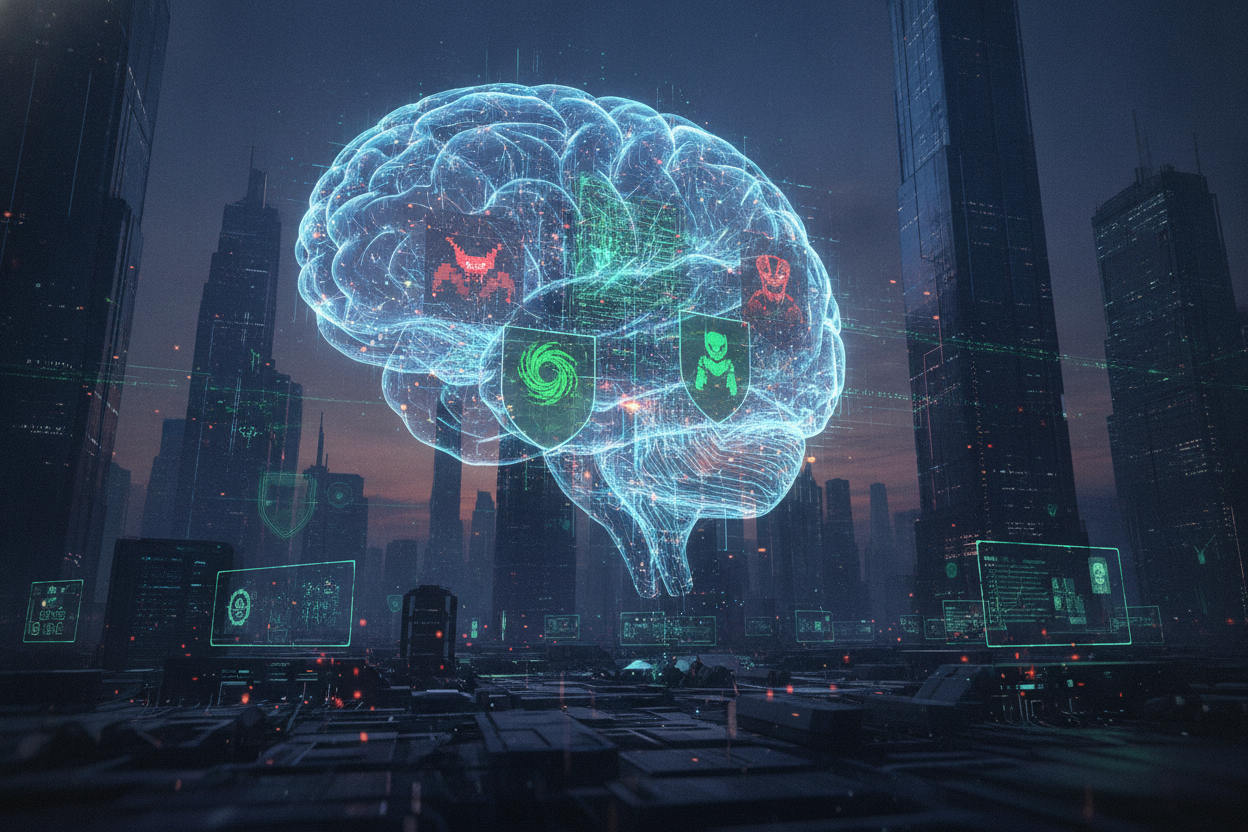
The threat landscape keeps evolving as attackers adopt better tools, faster automation, and more convincing social engineering. Looking ahead to 2026, organizations should expect continued pressure from phishing, credential theft, ransomware, and abuse of legitimate cloud services. The methods may change, but the goal remains the same: gain access, steal value, or disrupt operations.
One reason threats are becoming harder to manage is that environments are more connected than ever. A single business may rely on remote workers, cloud apps, connected devices, and third-party integrations all at once. Each connection creates opportunity, and each opportunity adds complexity to defense. Security teams need stronger visibility across the full environment, not just the perimeter.
AI will also play a role on both sides of the fight. Attackers can use it to scale scams and craft more convincing messages, while defenders can use it to detect anomalies faster and reduce response time. The organizations that do best will be the ones that combine automation with human judgment rather than relying on either one alone.
Preparing for the future means strengthening fundamentals now. Identity controls, patching discipline, resilient backups, and regular testing still matter most. Threats in 2026 may be more sophisticated, but the organizations that stay consistent with the basics will be in a much better position to respond quickly and recover well.
Leave a Reply